CaseIH 385 Overview
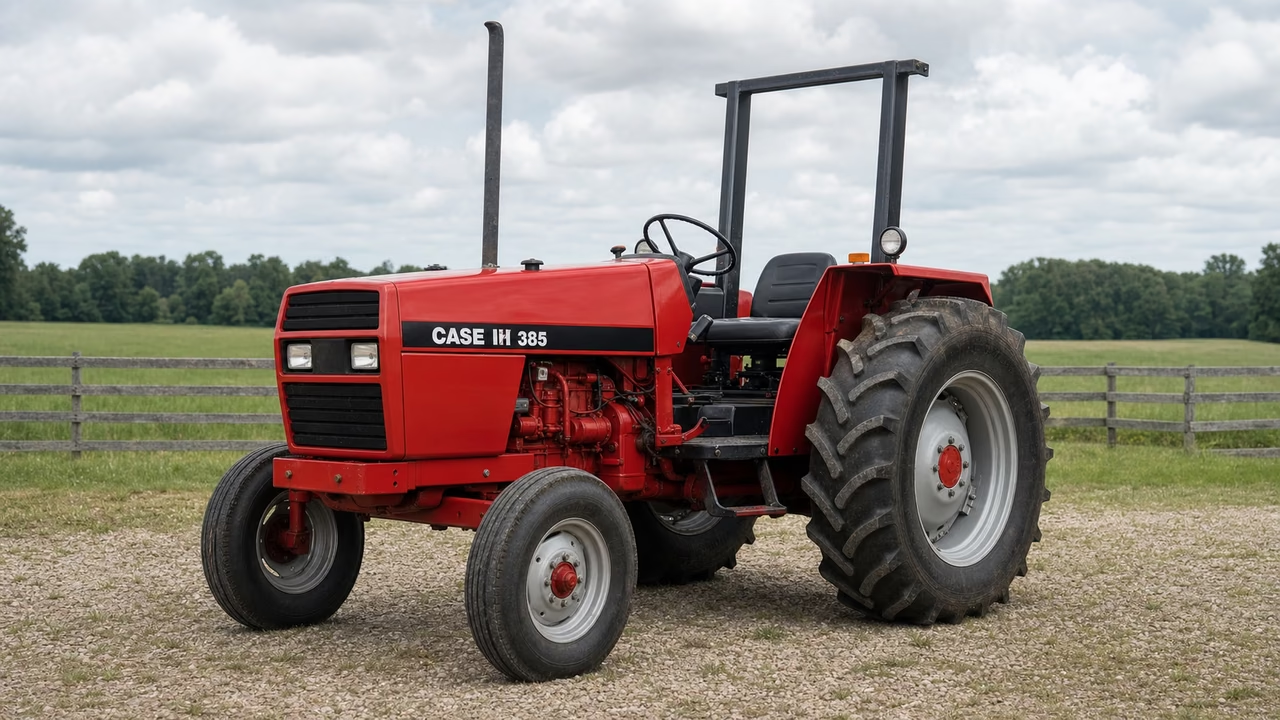
The CaseIH 385 was built from 1985 to 1990 with a 155 ci (2.5 L) engine rated at 43 hp (32.1 kW) and 2,200 rpm. It has an independent 540 rear PTO, a Category II/I hitch rated for 2,158 lb at 24 inches, and an open-center hydraulic system with 14.3 gpm total flow. The 20 gal fuel capacity, 8 qt engine-oil figure, and 9 gal hydraulic capacity give owners useful baseline checks.
CaseIH 385 Quick Answers
- YearsCaseIH built the 385 from 1985 through 1990.
- EngineThe engine is 155 ci (2.5 L), rated at 43 hp and 2,200 rpm.
- PTOThe 385 has an independent rear PTO listed at 540 rpm.
- HydraulicsThe open-center system is listed at 2,500 psi with 14.3 gpm total flow.
Engine and Power
Engine records cover the 155 ci displacement, 43 hp (32.1 kW) rating, and 2,200 rpm speed.
Diesel engine
| Displacement | 155 ci 2.5 L |
|---|---|
| Rated Rpm | 2200 |
| Engine Oil Capacity | 8 qts 7.6 L |
| Coolant Capacity | 12 qts 11.4 L |
Manufacture years
Engine
PTO and Hitch
The independent 540 PTO is paired with a Category II/I hitch rated for 2,158 lb at 24 inches.
Rear PTO
Rear PTO type
Rear hitch
Rear lift at 24 inches
Hydraulics
The open-center hydraulic system is listed with 2,500 psi pressure, 14.3 gpm total flow, and 0 to 2 valves.
Type
Capacity
Pressure
Total flow
Valves
Fluids, Battery, and Service Facts
Service figures include 20 gal of fuel, 8 qts of engine oil, 12 qts of coolant, and 9 gal of hydraulic capacity.
Fuel tank
Hydraulic system
Accuracy Note
Tractor specifications can vary by year, region, factory configuration, installed equipment, and later repairs. Match serial range, engine, transmission, PTO setup, and model code before ordering parts or doing service work.